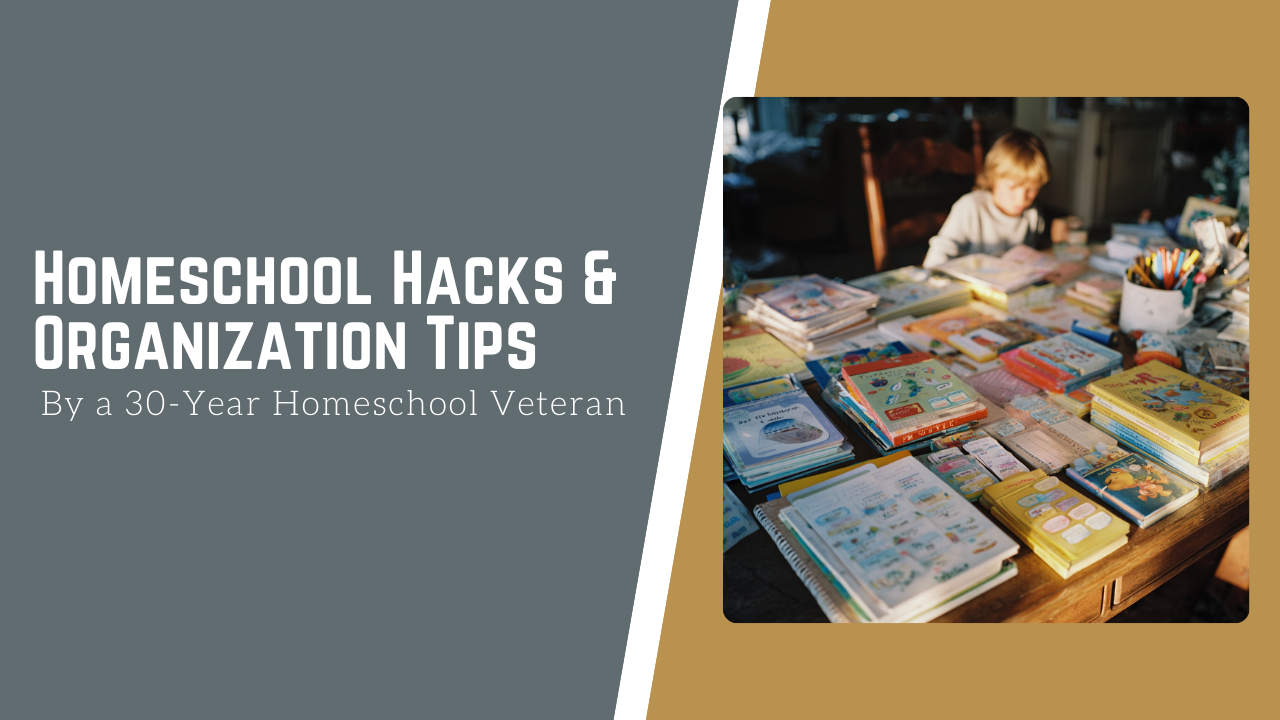
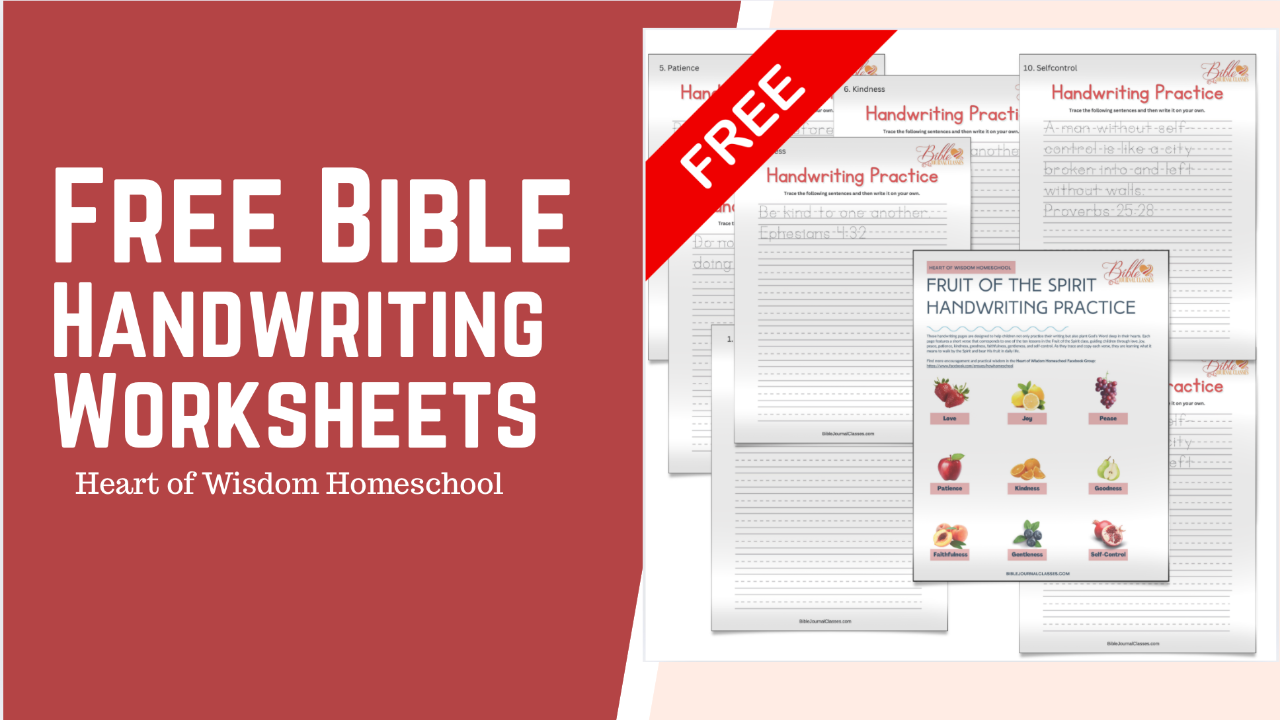
Homeschooling can feel like you're juggling flaming torches while riding a unicycle—on a tightrope—in a windstorm. I've been there, friend. As a mom who homeschooled nine children, I learned quickly that survival required systems, not perfection. Between lesson plans, craft supplies, field trips, library hauls, and the general chaos of life with a houseful of kids, it's easy to feel like you're drowning in papers, books, and random glue sticks that have mysteriously lost their caps.
But here's the good news: with a few strategic systems in place, you can create a homeschool environment that actually works for your family instead of against it.
Beginning With Prayer
The most important thing you can do as a parent and teacher is pray for guidance. God made your children, He knows their gifts, their talents, and the path He designed just for them far better than any curriculum ever could. When you feel unsure or overwhelmed, prayer is not a last resort; it is the starting place. God promises to lead when we ask Him. Scripture assures us, “If any of you lacks wisdom, let him ask God, who gives generously to all without reproach, and it will be given him” (James 1:5).
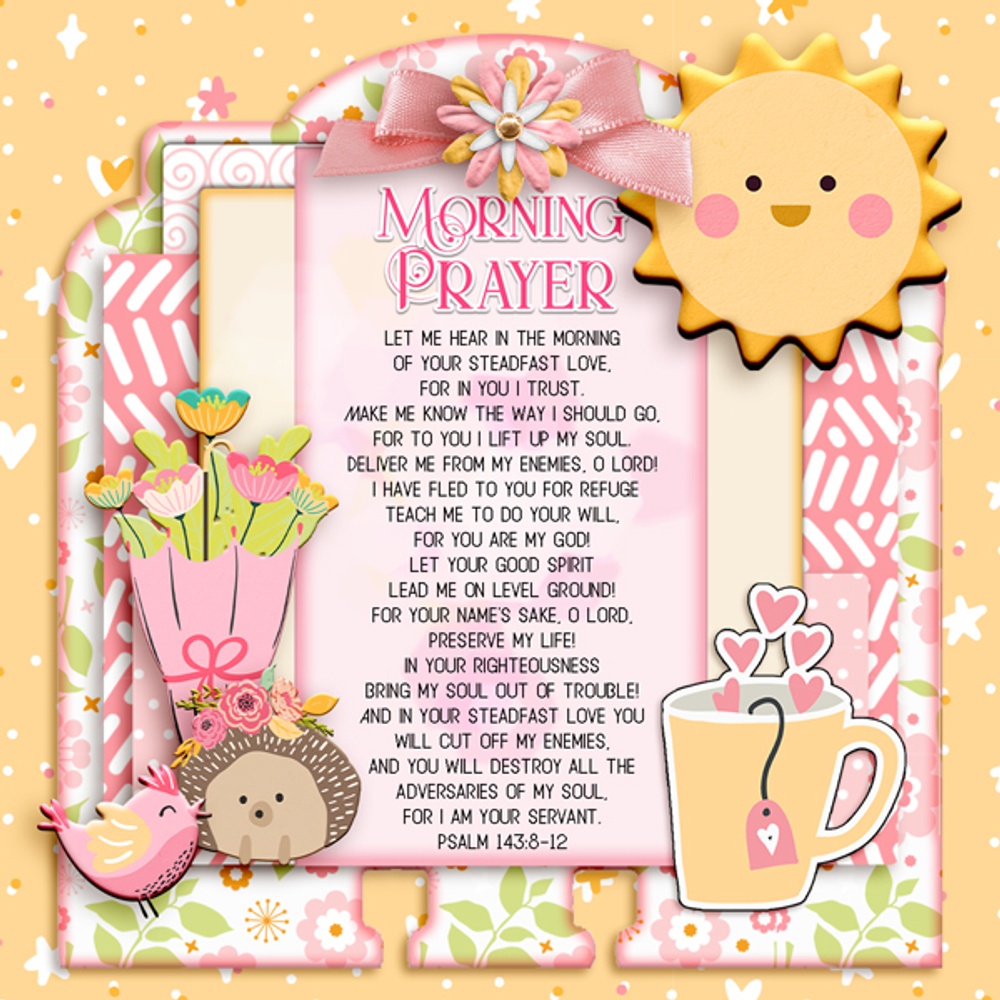
Like a shepherd guiding his sheep, God delights in directing your steps and your children’s steps when you come to Him with a humble, trusting heart.
Next, pray with your children. Invite them into the habit of turning to God, not just watching you do it from a distance. When you pray together, you are teaching them that God is near, attentive, and involved in everyday life, not only in big moments, but in ordinary ones too.
Scripture reminds us, “Train up a child in the way he should go; even when he is old he will not depart from it” (Proverbs 22:6). Praying aloud together plants seeds of faith, trust, and dependence on God. It shows your children that when questions arise or challenges come, the first response is to seek the Lord, knowing He hears and faithfully leads.
Your Home
You don't need a Pinterest-perfect homeschool room to be successful (though if you have one, good for you!). What you do need is a designated space—even if it's just a corner of the dining room table—that signals "this is where we learn."
Set up zones based on activity. Create a reading nook with cushions and a basket of books. Designate a table or desk area for written work. Keep art supplies in one spot and science materials in another. When everything has a place, cleanup becomes faster and you're not hunting for the protractor every time you need it.
Make materials accessible to kids. Use low shelves or bins that children can reach independently. This isn't just about convenience—it teaches responsibility and allows them to take ownership of their learning space.
The Crate System That Changed Everything

One of my best homeschool investments was a set of plastic crates—one for each major subject. Math crate. Science crate. History crate. Art supplies crate. Grammar crate.
These weren't fancy or expensive—just sturdy plastic crates from the office supply store. But they were game-changers. Each crate held everything we needed for that subject: textbooks, workbooks, manipulatives, supplies, and current projects. When it was time for math, we grabbed the math crate. When math was done, everything went back in the crate and onto the shelf.
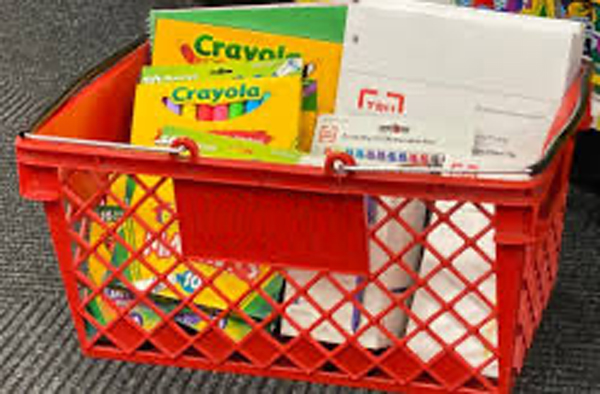 With nine kids, this system prevented the chaos of everyone needing different materials at once. Instead of nine children digging through one communal supply area, each subject had its own contained unit. Older kids could grab what they needed independently while I worked with younger ones.
Label those crates clearly. Use big, bold letters or even color-code them. When a six-year-old can identify the science crate from across the room, that's a win.
Available at Dollar Tree, Home Depot, Amazon and Walmart. I would pick up one create a week and built a collection.
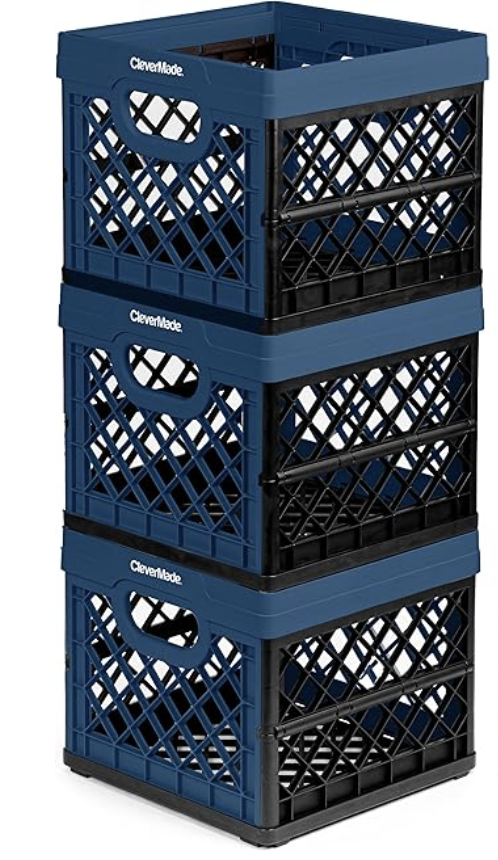 Now, I'll be honest—I may have gotten a little carried away with the crate system over the years. When we moved, my son-in-law spent an entire afternoon hauling crate after crate into the moving van. By the time he'd loaded what felt like the hundredth one, his hands had formed permanent claw shapes. I tried to hand him a glass of iced tea as a peace offering, and the poor man's fingers wouldn't cooperate—the glass slipped right through his grip and crashed to the driveway. He just looked at me and said, "How many subjects did you teach?!" LOL
But you know what? Every single one of those crates was worth it.
The Laundry Basket Strategy
Laundry baskets are one of the simplest tools for restoring order fast, like using a wide net instead of chasing one fish at a time. When guests stop by unexpectedly, grab a basket and do a quick sweep—toss in toys, books, shoes, mail, and anything out of place, then slide the basket into a bedroom or laundry room. It creates instant calm without the pressure of perfection.
At night, the same basket becomes a gentle rhythm for daily reset. Walk through the house together, gathering stray items, then return things to their homes or leave the basket ready for morning sorting. It keeps clutter from piling up, teaches responsibility, and turns cleaning from a burden into a habit—much like putting away tools at the end of the day so tomorrow can begin fresh.
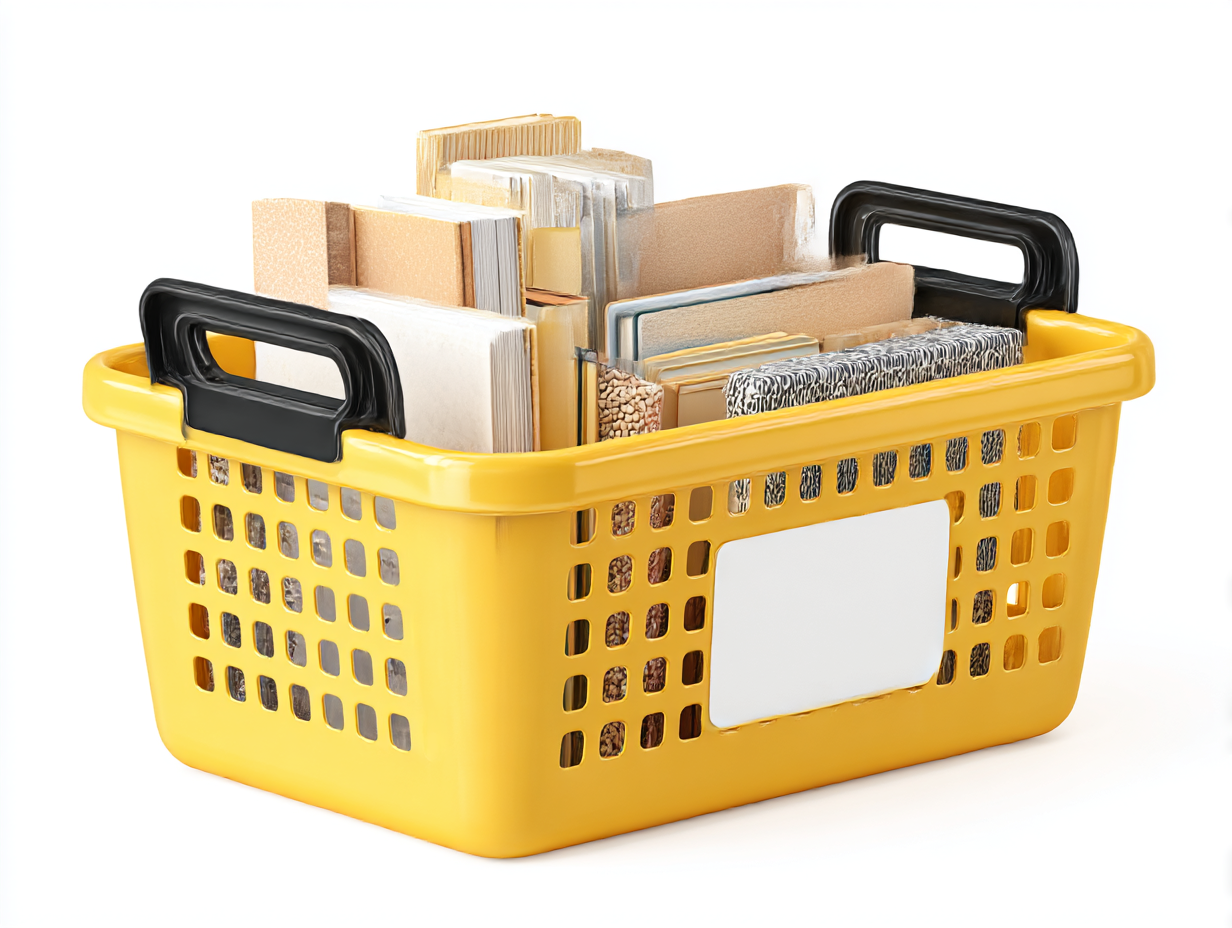
I assigned each child a laundry basket or crate for schoolwork. At the beginning of the week, I'd load each basket with that child's assignments, books, and materials for the week. They kept their basket in their room or in our school area, and it was their responsibility to work through it.
This system was brilliant for multiple reasons. First, it gave each child ownership of their work—they could see exactly what needed to be done. Second, it prevented the paper explosion that happens when nine kids' worth of worksheets are floating around loose. Third, older kids could work completely independently while I focused on teaching younger ones to read or helping with more complex subjects.
At the end of the week, we'd do a basket clean-out. Completed work went into their portfolio or the recycling bin, and I'd reload for the next week. Simple, functional, and it used something I already had multiples of around the house.
The Magic of Labels (Seriously)
If I could give one piece of advice to every new homeschooler, it would be this: label everything. And I mean everything. I use this P-Touch Label Maker that works with a phone app. There are many others.
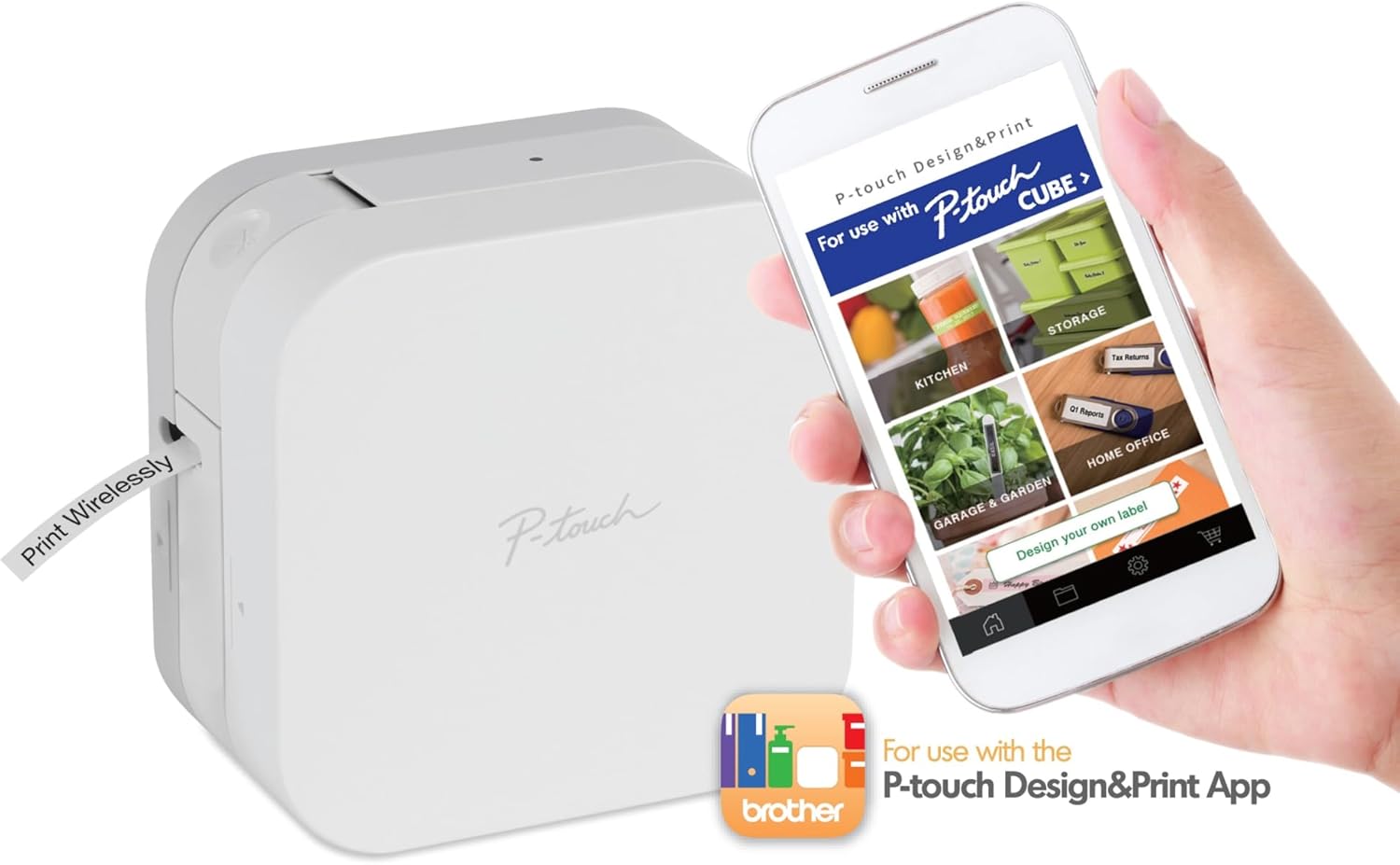
Get yourself a label maker, or just use masking tape and a Sharpie. Label bins, drawers, shelves, folders, crates, baskets—anywhere you store supplies or materials. This simple step will save you countless hours of searching and re-organizing.
When you're managing nine kids' worth of school supplies, labels aren't optional—they're essential. When your eight-year-old can find the colored pencils without asking you, that's a win. When you can glance at a shelf and know exactly what's inside each crate, that's time saved for actually teaching.
Create a Reading Culture With Books in Every Room
One of the best decisions I made had two parts:
1. Limit TV and Screen Time
2. Keep baskets of books in almost every room of our home. Not just the school room—everywhere.
We had a basket in the living room, baskets in bedrooms, even a basket in the bathroom. Each basket was filled with books appropriate for different ages and interests. This made reading accessible and normal, not just something that happened during "school time."
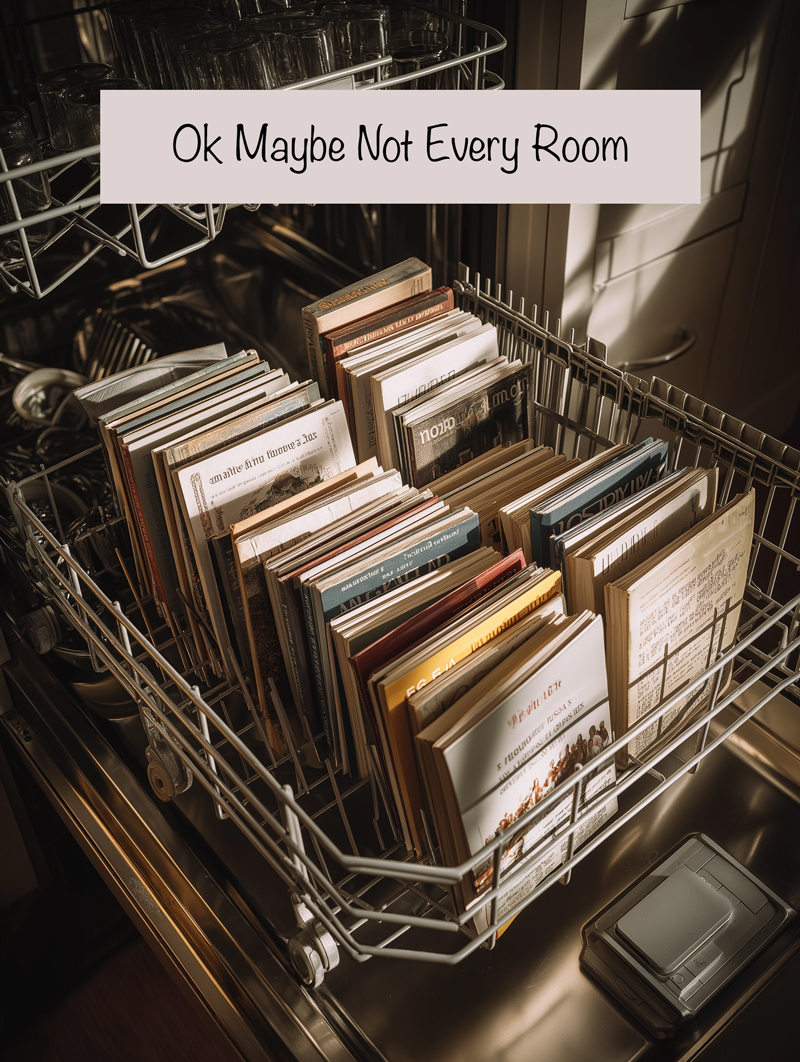 Our weekly library trips were sacred. With nine kids, we'd come home with armloads of books—easily 30 or more each week. We keep all those library books in one place in one specific laundry basket.
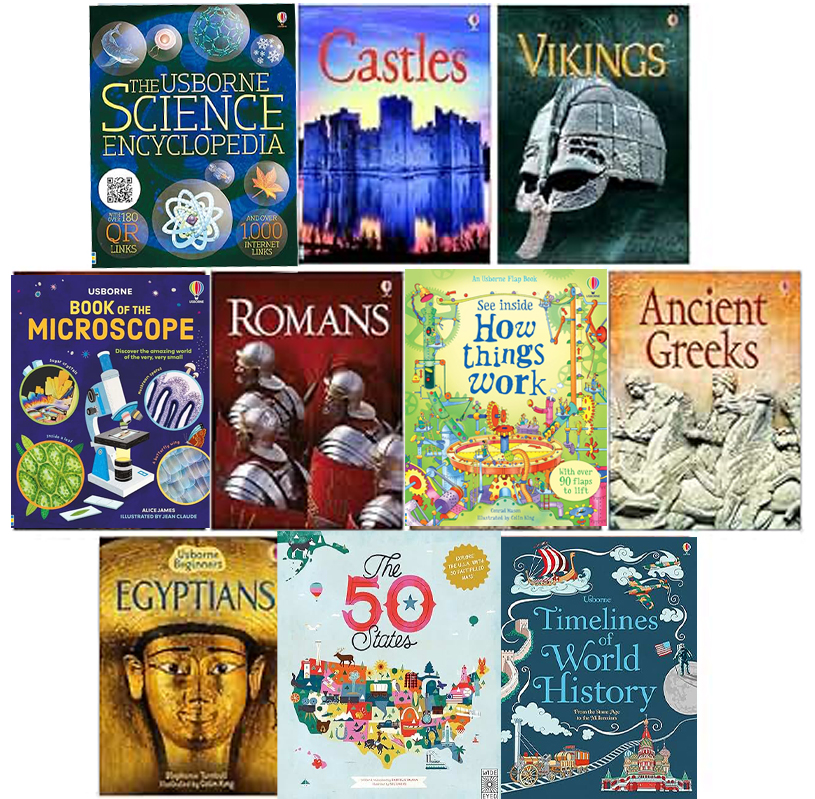
Illustrated books were our favorites, especially the highly illustrated book like Usborne Books (available at most libraries) collection. Those beautifully illustrated encyclopedias, history books, and science books were perfect for kids at multiple levels. A five-year-old could look at the pictures while a ten-year-old read the text, and they'd both be learning.
Usborne's visual approach made learning feel like an adventure rather than a chore. I've hung on to dozens of these for over 20 years for my grandchildren.
The basket system for books meant that whenever a child had a free moment—waiting for lunch, taking a break from math, winding down before bed—there was always something interesting within arm's reach. We weren't constantly saying "go get a book"—the books were already there, inviting them to explore.
The Power of Reading Aloud—Even to Teens
One habit that brought our family together more than any other was reading aloud. And I don't just mean reading to the little ones who couldn't read yet. I read aloud to everyone—including my teenagers.
I know what you're thinking. "My teens won't sit still for read-aloud time." But here's the secret: when you choose living books—stories that are interesting, fun, and educational—even teenagers get hooked. There's something powerful about sharing a story together as a family. It creates connection, sparks conversation, and builds a shared cultural foundation.
Good living books aren't dry textbooks—they're narratives that make history, science, and ideas come alive. They're written by authors who love their subjects and know how to tell a compelling story. When you're reading about the sinking of the Titanic, the discovery of penicillin, or the adventures of a pioneer family, nobody's checking the clock.
Tackle the Paper Monster
Paper clutter is the number one enemy of homeschool organization. Between worksheets, artwork, tests, and projects for nine children, you can quickly find yourself buried under mountains of paper.
 Create a daily paper flow system. Set up three bins or folders: "To Do," "To Review," and "To File." At the end of each school day, spend five minutes sorting papers into these categories. Once a week, process the "To File" bin—which mostly means throwing things away or saving a select few special items.
Be ruthless about what you keep. With nine kids, if I'd saved everything, we'd need a storage unit. I kept one special folder per child per year with a few representative samples of their work. Everything else got recycled or repurposed.
Digitize when possible. Take photos of completed work or special projects before recycling them. Create a digital portfolio for each child that's easier to store and share with grandparents than boxes of papers.
Managing Multiple Kids (Without Losing Your Mind)
If you're teaching multiple children at different levels, you know the challenge of keeping everyone engaged while giving each child the attention they need. With nine kids, this was my daily reality.
That first year of homeschooling can feel like running a full school inside your living room. I remember teaching six or seven separate subjects to four children, trying to keep up with lessons, papers, and schedules. By the end of the day, I was completely exhausted. The work felt heavy because it all rested on my shoulders.
The next year, everything changed. I shifted to unit studies, and later we added the Charlotte Mason living books approach. Instead of juggling endless worksheets, we began learning together through rich stories, meaningful conversations, and shared discoveries.
My role changed from grading, pettily little numbers in boxes, to guiding and enjoying. The school day became lighter, warmer, and more life-giving. Learning felt less like a checklist and more like a journey we were walking together—and that made all the difference.
Educational Apps
I did not have access to Educational apps when I homeschooled. These apps can be a wonderful support for subjects like geography, history, and science, especially when learning needs to be flexible and engaging. Maps come alive when children can zoom, rotate, tap, and explore instead of just memorizing names on a page.
These tools are like having an interactive atlas always open on the table—ready when curiosity strikes. Used wisely, apps reinforce what’s been read or discussed, give visual learners a strong advantage, and allow children to learn independently for short periods. Rather than replacing books or conversations, educational apps work best as companions, adding color, movement, and clarity to the learning experience while keeping lessons fresh and enjoyable.
I'll write a blog post for my recommended apps by age level. Meanwhile try these:
- World Geography for Kids: Interactive globe, flags, quizzes, flashcards, and fun facts about continents, oceans, and countries — ideal for younger learners.
- USA Map: Kids Geography Games: Focused on the United States, this app teaches states, capitals, landmarks, and trivia with games and mini-quizzes, great for elementary geography units.
-
ABCmouse: A complete early learning app with phonics-focused lessons, letter sounds, blending, and reading games. Kids earn rewards and progress at their own pace.
-
Starfall Learn to Read: Simple, joyful, and very phonics-friendly. Lessons guide children from letter sounds to real reading with songs, stories, and interactive practice.
-
Reading Eggs: Highly engaging phonics curriculum with games, activities, and animated lessons that build confidence in decoding, sight words, and fluency.
Use independent work blocks strategically. While you're working one-on-one with your fifth grader on long division, your second grader can be doing independent reading or working on handwriting practice. The laundry basket system made this possible—older kids knew exactly what independent work to tackle while I taught younger ones.
Implement the "ask three before me" rule. Before interrupting you with a question, kids should check three other resources first: the directions, a sibling, or their notes. This builds problem-solving skills and reduces constant interruptions. With nine kids, this rule wasn't just helpful—it was survival.
Create morning routine checklists. Kids thrive on predictability. A simple checklist of morning tasks (get dressed, make bed, eat breakfast, brush teeth, start first subject) helps them work independently while you're getting younger siblings settled.
Use buddy systems. Pair older kids with younger ones for reading practice, memory work review, or simple subjects. This builds leadership skills in older children and gives younger ones extra attention.
The Power of Planning Ahead
One of the biggest sources of homeschool chaos is figuring out what to teach as you go. With a large family, winging it simply doesn't work. A little planning goes a long way.
Plan your week on Friday or Sunday. Block out time to lay out the upcoming week. Load those laundry baskets with each child's work. Gather books from around the house. Stock the subject crates with what you'll need. Prep science experiments and set out craft supplies. Monday morning will feel like a gift.
Use a family command center. A simple whiteboard or wall calendar where everyone can see the weekly schedule helps kids know what to expect. Include lesson subjects, extracurricular activities, and field trips. With a big family, visual reminders prevent the constant "What are we doing today?" questions.
Consider a Structured Curriculum That Does the Planning for You
Here's a secret that transformed my homeschool: you don't have to reinvent the wheel. While planning everything yourself gives you flexibility, sometimes what you really need is a solid curriculum that's already organized and ready to go.
This is especially true for subjects that require continuity and careful sequencing—like Bible study. If you're committed to giving your kids a biblical foundation but feel overwhelmed by where to start or how to make it comprehensive, a structured approach can be a lifesaver.
Timelines
One of the most helpful tools I used in our homeschool was a simple, living timeline. Down the hallway, we created one major world history timeline that stretched across the wall, showing world history before and after Jesus.he Bible went with
In the family room we had a Bible timeline I used to show which Bible books of to which major events.
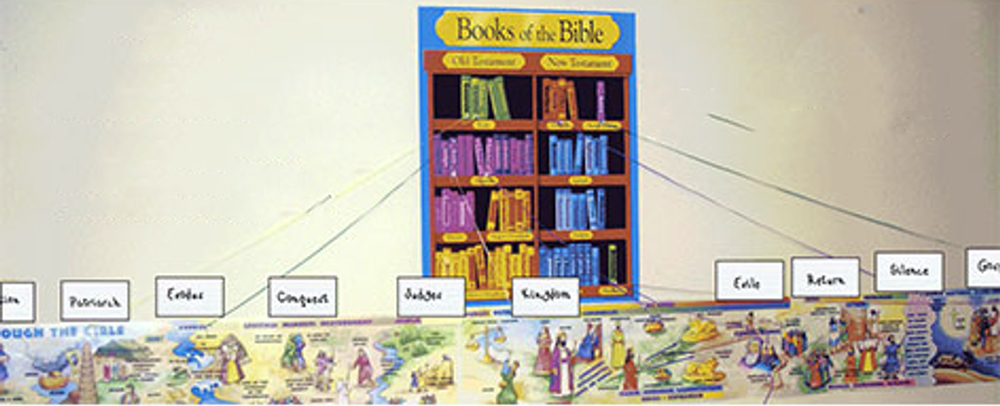
Every time we walked past it, history was right there, not tucked away in a book, but part of daily life. Events didn’t feel random anymore; they had a place and a relationship to each other.
In the dining room, we added a separate timeline just for U.S. history. As we studied, we added figures, dates, and pictures, watching the story of our nation unfold alongside our meals and conversations. Like a map for time, these timelines helped my children see where events fit, how history connects, and why it matters.

Chronological Bible Study
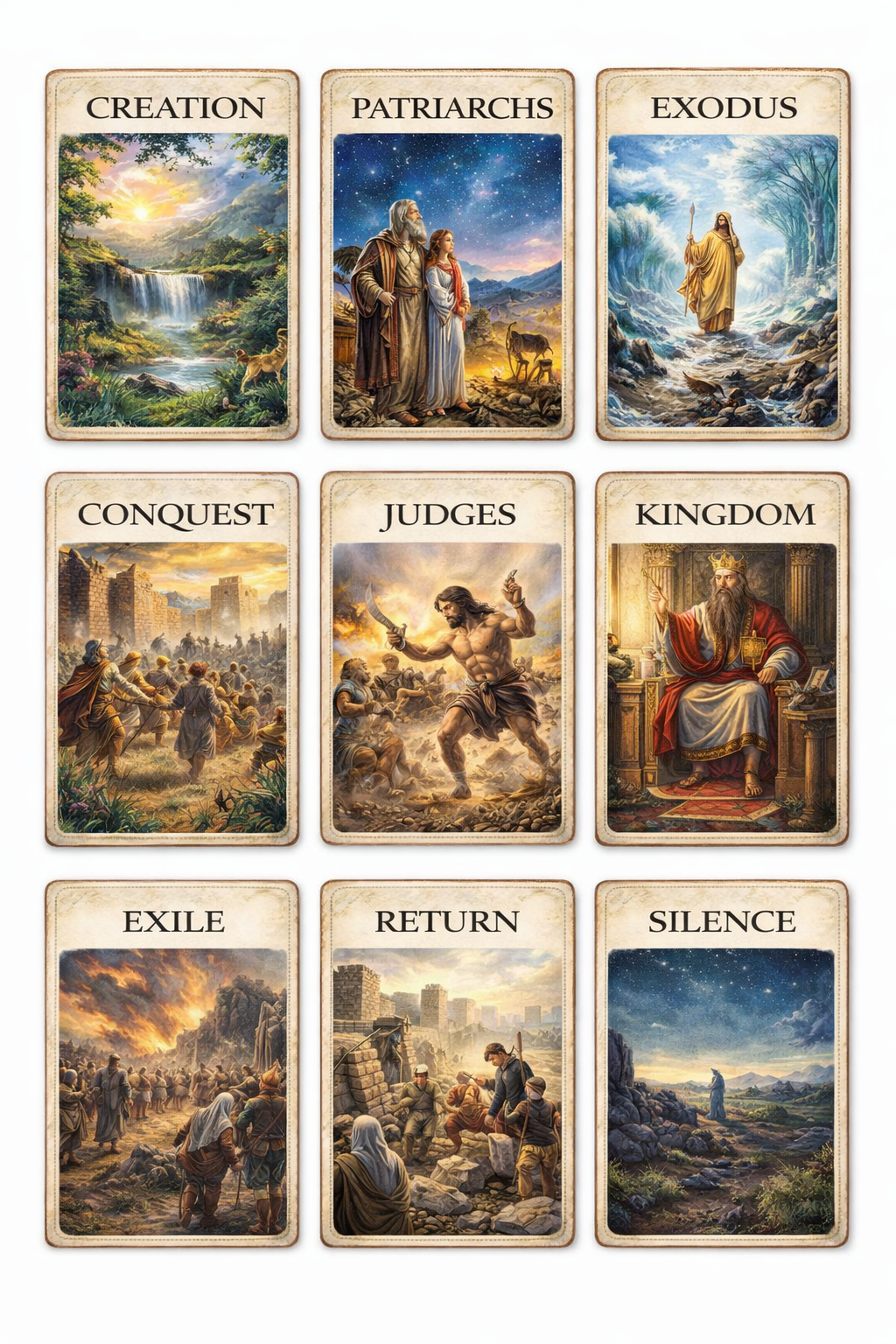
The 12 Bible Eras curriculum offers exactly this kind of structured simplicity. It takes you through the entire Bible in one year chronologically (one era per month) so kids get the big picture of God's redemptive story from Genesis to Revelation. Each month focuses on a different era of biblical history, building understanding in a logical, chronological way with the option of crafting (making journals).
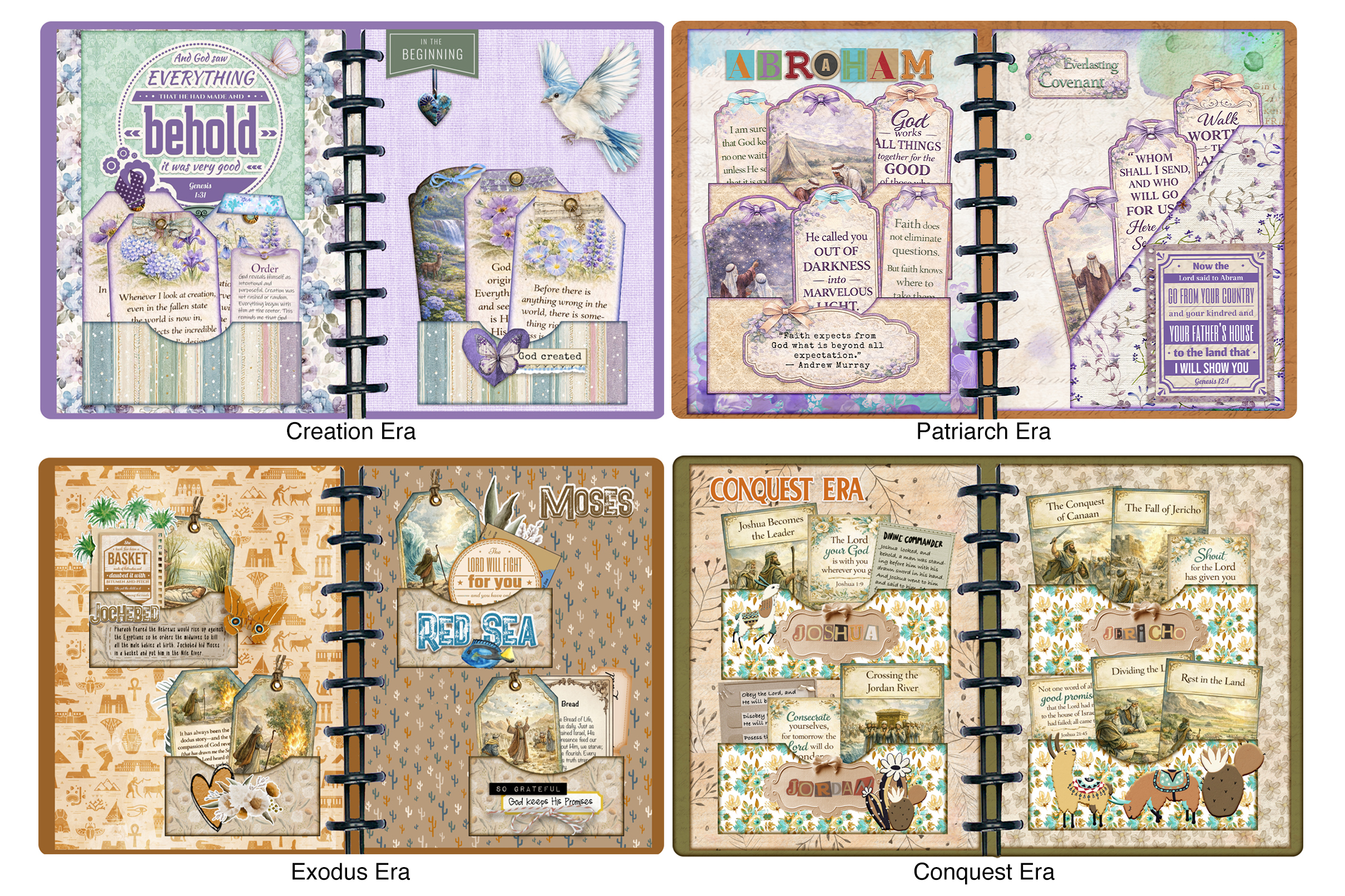
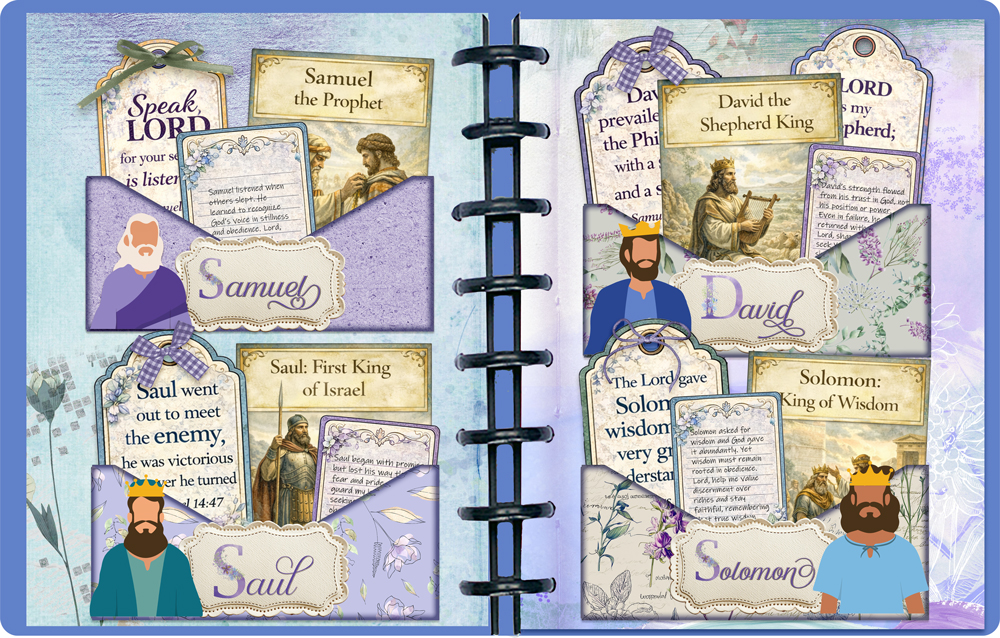
Instead of jumping randomly through Bible stories or feeling like you're missing important connections, this approach gives you a complete framework. Everything is already planned out: the lessons flow naturally from one era to the next, the activities are prepared, and the materials are organized. You show up, teach, and watch your kids develop a solid biblical literacy that will serve them for life.
The beauty of this kind of structured curriculum is that it eliminates the mental load of planning while still giving you quality content. You're not scrambling to figure out what Bible story to cover next or wondering if you're missing key theological concepts. It's comprehensive, it's organized, and it's one less thing on your plate.
When you're managing multiple children, having one subject completely planned and organized for you means more energy for everything else. You can focus on helping your struggling reader, encouraging your budding artist, or just keeping the household running. The Bible curriculum handles itself, and everyone—from your youngest to your oldest—can engage at their own level.
Keep High-Traffic Areas Clear
Certain spots in your home become clutter magnets—the kitchen counter, the dining table, the entry area. These are usually the places where school materials pile up throughout the day.
Establish "landing zones" with limits. Everyone gets one basket or bin for current projects, library books, or works in progress. When the basket is full, something has to be put away before adding more. This prevents the overflow that turns into overwhelming mess.
Do a 10-minute reset each evening. Before dinner or before bed, spend ten minutes putting things back in their homes. Get the kids involved—even young children can put books on shelves or art supplies in bins. This daily reset prevents small messes from becoming major disasters.
With nine kids, this evening reset was non-negotiable. Everyone grabbed their laundry basket and made sure it was ready for the next day. Subject crates went back on shelves. Books got returned to their baskets. Ten minutes of teamwork saved hours of frustration the next morning.
Embrace "Good Enough"
Here's the truth: your homeschool space will never look like a magazine spread every single day, and that's perfectly fine. Some days will be chaotic. Papers will pile up. The dining table will be covered with science experiments, half-finished art projects, and someone's snack.
The goal isn't perfection—it's function. Can you find what you need when you need it? Can your kids work without constant disruption? Can you end the day without feeling completely overwhelmed by mess?
If you answered yes to those questions, your organization is working. Everything else is just extra.
Remember, you're not running a classroom—you're running a home that happens to be where your kids learn. Give yourself permission to do what works for your family, even if it looks different from what you see on Instagram.
The most important thing isn't having the perfect system—it's having a system that serves your family's unique needs and helps you focus on what matters most: raising children who love learning and growing in wisdom.
So start with one small change. Try the crate system for your subjects. Give each child a laundry basket for their weekly work. Put book baskets in every room and fill them with beautiful illustrated books that invite exploration. Label everything. Or consider adding a structured curriculum like the 12 Bible Eras that takes some planning off your plate.
Whatever you choose, know that every small step toward organization is a step toward more peace, more time, and more joy in your homeschool journey.
You've got this, mama. One labeled crate at a time.